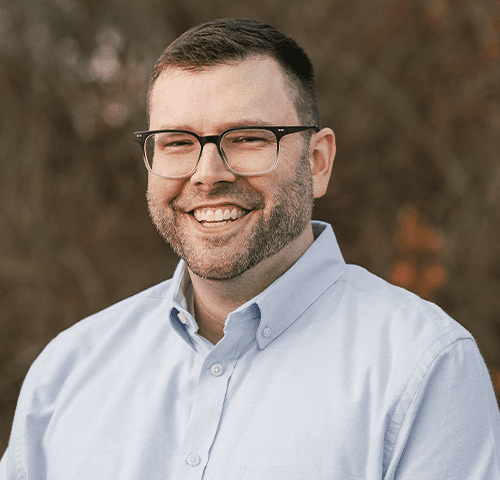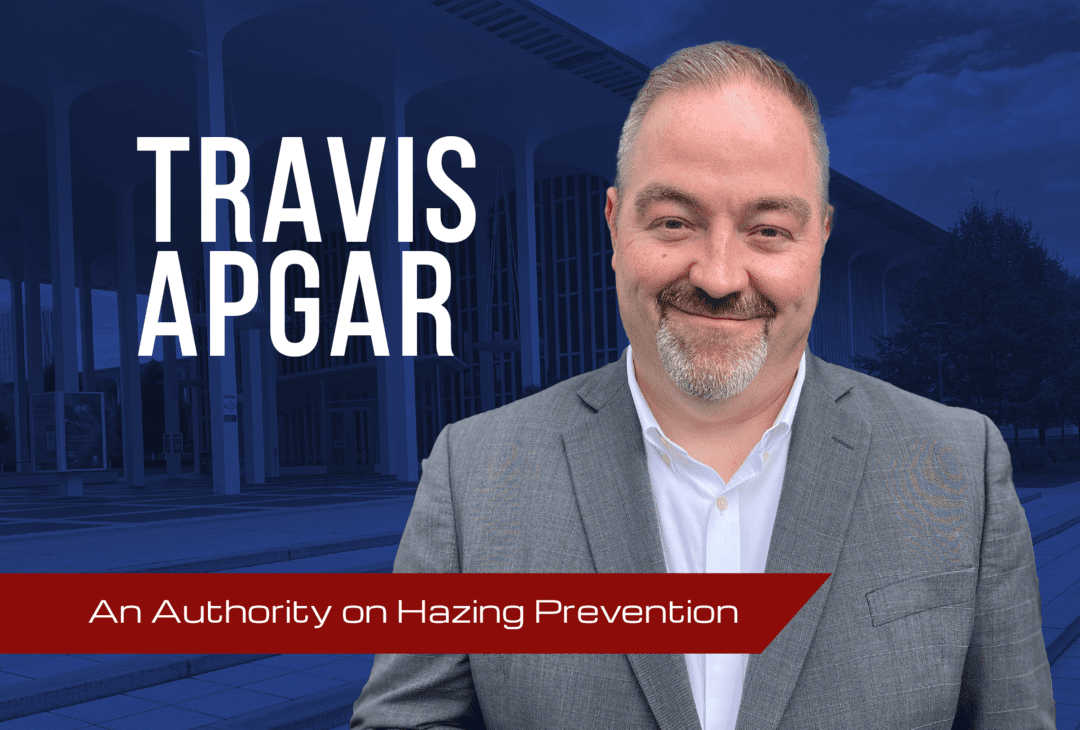
Travis Apgar
When it comes to hazing prevention, Travis Apgar believes too little progress has been made in the effort to eradicate hazing. Sharing his own personal experiences, Travis is on a mission to inspire others to help end hazing and protect students from the harm it causes.
TOPICS
- Athletics
- Fraternity & Sorority Life
- Hazing Presentation
- Bystander Intervention
- Bullying
- Mental Health
KEYNOTES
MIDDLE SCHOOL & HIGH SCHOOL FOCUSED
FOR EDUCATORS AND ADMINISTRATORS (Middle School, High School, & College)
Getting to know
Travis Apgar
Travis Apgar is Vice President for Student Affairs at Case Western Reserve University, where he leads initiatives supporting student success, well-being, and healthy campus culture. Travis holds advanced degrees in psychology and education administration, and is nationally recognized for his leadership in higher education and for advancing evidence-informed approaches to student development.
An educator, writer, and consultant, Travis has spoken on hundreds of campuses and at national conferences, engaging thousands of students, student-athletes, faculty, administrators, and coaches. His work focuses on culture—how traditions are formed, norms reinforced, and student well-being protected.
A leading voice in hazing prevention, Travis serves on the Board of Directors for the Hazing Prevention Network. He contributed to the National Collegiate Athletic Association handbook Building New Traditions: Hazing Prevention in Athletics, Hank Nuwer’s book Hazing: Destroying Young Lives, and the Hazing Prevention Week Resource Guide. He appears in the documentary Haze and has been featured on NewsNation, PBS NewsHour and HuffPost Live.
Travis more recent work is focused on the intersection of technology and student mental health, examining how social media, artificial intelligence, and digital environments shape identity, resilience, and belonging. He encourages institutions to pair innovation with intentional norms cultivation and support systems, helping students thrive in both physical and digital spaces.
Across his work, the goal is consistent: replace harmful norms with cultures rooted in dignity, accountability, and authentic connection.
Travis Apgar has a mission – to abolish hazing. Sharing his own personal experiences, he’s speaking on campuses to inspire others to help end hazing once and for all.
It is Travis’ belief that as a student affairs professional he has a responsibility to get involved in the fight against hazing, and to help provide resources to professionals and students that can help get the job done.
PROMOTIONAL MATERIALS
To help you promote your event with Travis, CAMPUSPEAK has created promotional templates you can use. In this folder, you will find resources for social media, a promotional poster for printing, and press photos you can use for your event.
Link to Promotional Materials
LOGISTICAL MATERIALS

SEE WHAT PEOPLE HAVE TO SAY About Travis Apgar!
KEYNOTES
Making a champion
As a first-generation student, Travis went to college full of excitement and curiosity. The opportunity to attend college came as a result of his abilities as an athlete. When pre-season camp opened, the hazing began. Those meaningless, abusive, activities which stemmed from unhealthy power dynamics and misguided intentions resulted in a detrimental impact on the team, and teammates.
Travis left that college, and had to work especially hard to overcome the setback. His keynote, Making a Champion focuses on important factors that distinguish champions and championship teams from those who fall short, and how hazing is inconsistent with the qualities of a winning team, the virtuous attributes of participating in sports, and the ability for people to thrive.
This prevention program is delivered from the perspective of one with a background that contributed to the severity of the impact. Travis Apgar tells his story of the pain and hidden harm caused by his hazing experiences as guide of ‘what not to do’. Travis’ powerful story is the perfect backdrop to give students, coaches, and administrators a wake-up call about the multifaceted liabilities associated with hazing.
Learning Outcomes
As a result of attending this program, students will learn:
- the factors which shape winning teams,
- to define hazing and recognize hazing activities,
- the detriment that unhealthy power dynamics play in preventing a championship culture, and
- the various liabilities of hazing, which can have a life changing impact.
Hazing: The Fallout
As a first-generation student, Travis went to college with hopes of fitting in, belonging to a community of learners, and feeling included. His experience with pre-season football camp was anything but welcoming, as the culture of hazing was apparent from the start. The only thing worse was the hazing he experienced as a fraternity pledge.
In his keynote, The Fallout Travis focuses on important factors that distinguish between healthy and supportive student organizations which promote personal growth, leadership development, inclusion, and belonging, from those which fail to live up to their self-proclaimed value.
This prevention program is delivered from the perspective of a hazing survivor with a background that contributed to the severity of the impact. Throughout the program, Travis Apgar tells his story of the pain and hidden harm caused by his hazing experiences. Travis’ powerful story is the perfect backdrop to give students, alumni, staff, and administrators a wake-up call about the hidden harms of hazing.
Learning Outcomes
As a result of attending this program, students will learn:
- how to adhere to healthy practices which lead to the fulfillment of a welcoming environment, an atmosphere of family away from family, where people feel they belong, are included and valued,
- to define hazing and recognize hazing activities,
- how an unhealthy power dynamic and hazing can lead to physical and mental abuse including, objectification, humiliation, degradation, and even assault, and
- the various liabilities of hazing, which can have a life changing impact.
Hidden Harm
Travis Apgar was a first-generation student, the youngest of eight siblings and the only one to attend college. He arrived on campus full of excitement and curiosity. Despite having financial and other insecurities, he hoped that he could find a group of friends to belong and to be included. As an athlete, he experienced hazing early on, and the severity only increased when he became a fraternity pledge.
Travis arrived at college with a background that contributed to the severity of the impact of hazing. This “hidden harm” so to speak, is commonplace among today’s students who come from various backgrounds, some of who have had tremendous personal experiences prior to arrival.
In his keynote, Hidden Harm, Travis focuses on important factors that distinguish between healthy and supportive student organizations which promote personal growth, leadership development, inclusion, and belonging, from those which fail to live up to their self-proclaimed value.
Throughout the program, Travis Apgar tells his story of the pain and hidden harm caused by his hazing experiences and others. These powerful stories are the perfect backdrop to give students, alumni, staff, and administrators a wake-up call about the liabilities of hazing.
Learning Outcomes
As a result of attending this program, students will learn:
- how to adhere to healthy practices which lead to the fulfillment of a welcoming environment and an inclusive atmosphere where people feel they belong, are included and valued,
- to define hazing and recognize hazing activities,
- how an unhealthy power dynamic and hazing can lead to physical and mental abuse including, objectification, humiliation, degradation, and even assault, and
- the various liabilities of hazing, which can have a life changing impact.
The New Frontiers of Bullying: Social Media, AI, and School Culture
Leading Bullying Prevention Amid Screens, Algorithms, and Silence
With nearly three decades of experience cultivating safe, thriving student communities at leading universities, Travis Apgar helps educators and school leaders navigate the evolving landscape of bullying in an era of screens, algorithms, and digital anonymity. Social media, AI-enabled tools, chat apps, and online anonymity have accelerated harm while making it harder for adults to see, interpret, and respond effectively. This program challenges participants to move beyond reactive discipline and technology panic toward a culture-driven, evidence-based prevention strategy.
Drawing on research, real-world incidents, and prevention frameworks, this session examines how adult responses, school systems, and silence shape student behavior—often unintentionally. Participants will explore strategies to align policy, practice, and culture to prevent harm before it escalates, fostering safer and more connected school communities.
Learning Outcomes
As a result of attending this program, participants will be able to:
- understand how social media and AI affect the speed, scale, and invisibility of bullying
- recognize why rules and reporting systems alone are insufficient
- see how social norms and adult modeling influence student behavior
- identify practical, school-wide strategies for prevention and response
- implement a framework for leading culture change, not just compliance
Online Isn’t Unreal: The Impact of Digital Choices
Your Choices. Real People. Real Impact.
Travis Apgar is a student first educator who has spent his career helping students build safe, connected, and thriving school communities. He’s seen firsthand how one choice—online or offline—can ripple through a school, for better or worse. In today’s world of group chats, screenshots, memes, and AI-generated content, it’s easy to forget that digital actions have real consequences. This program invites students to take an honest look at how their choices shape school culture and how silence, joking, or sharing can unintentionally hurt others.
Moving beyond rules or punishment, the session empowers students to recognize their influence, challenge false norms, and use their voices to create a culture of respect and belonging—both online and offline. Through real examples, discussion, and practical strategies, participants leave with the tools to act responsibly and positively shape their communities.
Learning Outcomes
As a result of attending this program, students will be able to:
- understand how digital actions translate into real-world impact
- recognize the power of bystanders and peer influence
- see how “jokes” and reposts can escalate harm
- explore realistic ways to interrupt bullying and support others
- leave knowing they have more influence over school culture than they realize
The Loneliest Generation, the Smartest Tools
AI, Youth Companionship, and the Role of Schools in Reclaiming Human Connection
Drawing on his experience leading a taskforce of mental health experts and practitioners studying the impact of AI and social media on student well-being, Travis Apgar examines one of the most pressing challenges facing schools today. Youth loneliness has risen sharply at the same time AI tools have become more emotionally responsive, accessible, and ever-present. Many students now turn to chatbots and AI companions for validation, comfort, and attention—sometimes more readily than they turn to peers, educators, or trusted adults. This program challenges school leaders to move beyond reactive technology restrictions or panic and instead adopt a culture-driven, evidence-based approach that prioritizes human connection alongside digital literacy.
Grounded in research, real-world examples, and relational frameworks, the session explores how adult presence, school systems, and everyday practices shape student emotional well-being—often in unintended ways. Participants will leave with practical strategies to strengthen trust, foster authentic relationships, and guide students toward responsible technology use without allowing AI to replace meaningful human connection.
Learning Outcomes
As a result of attending this program, participants will be able to:
- recognize the connection between rising youth loneliness and increased AI engagement
- distinguish healthy AI use from emotional substitution and dependency
- identify school-based practices that promote trust, dialogue, and belonging
- develop a shared, non-punitive framework for guiding student AI use
- implement actionable strategies that strengthen adult presence and school culture in an AI-rich environment
AI Listens. Humans Care.
Why Real Connection Still Matters in a Digital World
Travis has seen firsthand the devastating outcomes of student loneliness. Using real life stories to drive the message, this program shows students why human relationships matter now more than ever. AI can feel helpful, entertaining, and always available—but it cannot replace real connection. This interactive session helps students understand the shortcomings of AI, and how choosing human connection builds confidence, resilience, and belonging in ways technology never can.
Through research-based insights, and relatable stories, students leave empowered to use technology wisely, set healthy boundaries, and seek out people who can truly listen, guide, and support them.
Learning Outcomes
As a result of attending this program, students will:
- understand why AI feels emotionally engaging
- learn the difference between talking to a machine and connecting with people
- reflect on healthy boundaries with technology
- recognize the value of trusted adults and peers for support
- feel empowered to prioritize human connection in daily life